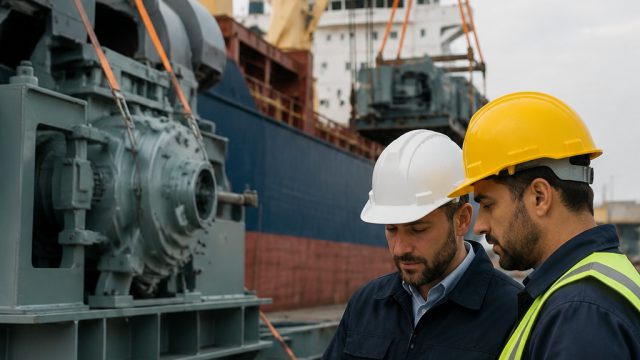
Compliance is a critical factor in the successful export of industrial machinery. Navigating the complex web of regulations can be daunting, but ensuring adherence is essential for maintaining credibility and achieving trade success.
Each country has specific export regulations that govern how machinery is exported, including safety standards, documentation requirements, and import tariffs. Familiarity with these regulations is crucial in preventing legal issues and ensuring smooth operations.
Failure to comply with export regulations can lead to severe repercussions, including fines, shipment delays, and even legal action. Understanding these potential consequences is vital for businesses to mitigate risks and protect their interests.
Many countries require machinery to meet certain safety and quality standards before being imported. Compliance with these standards not only protects the end user but also enhances the manufacturer's reputation in the global market.
Engaging compliance experts can streamline the process of adhering to regulations. These professionals can offer valuable insights and resources, helping manufacturers navigate complex legal landscapes and ensuring that all aspects of the export process are compliant.
Staying informed about changes in export regulations is vital for long-term success. Regular training sessions for staff involved in the export process can facilitate a culture of compliance and awareness, reducing the likelihood of oversights.
Compliance is not just a legal obligation; it is a cornerstone of trustworthy business practices in the industrial machinery export sector. By prioritizing compliance, manufacturers can enhance their credibility, avoid legal pitfalls, and ensure the successful export of their products.
Contact
Stay updated with our latest product releases and news articles. XX Industrial Equipment Co., Ltd. is an emerging enterprise specializing in environmental protection... How can we help you?
Click below — we are happy to help. Contact