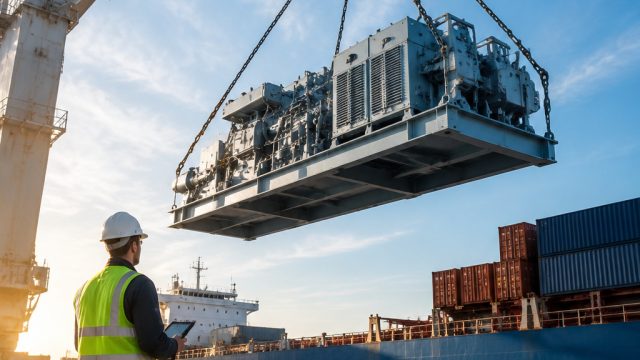
The global landscape for industrial machinery exports is currently undergoing notable transformations. As countries strive to strengthen their manufacturing capabilities, the demand for advanced machinery continues to rise. This article delves into the critical trends shaping the market and highlights why staying informed is vital for stakeholders in the industry.
In recent years, several key factors have emerged that are influencing the export dynamics of industrial machinery. These include advancements in technology, shifts in consumer preferences, and changes in international trade policies.
Technological innovation is at the forefront of the industrial machinery sector. From automation to smart manufacturing, companies are increasingly adopting new technologies to improve efficiency and productivity. The integration of IoT (Internet of Things) devices into machinery allows for real-time data collection and analysis, enabling manufacturers to optimize operations.
As industries evolve, so do consumer expectations. There is a growing demand for sustainable and energy-efficient machinery. Exporters are responding by developing products that minimize environmental impact while maximizing performance. This trend not only meets regulatory requirements but also appeals to environmentally conscious consumers.
International trade policies play a crucial role in shaping the export landscape. Tariffs, trade agreements, and regulations can significantly influence market access and competitiveness. Understanding these policies is essential for businesses looking to navigate the complex global marketplace.
On the positive side, trade agreements can open new markets for exporters. By reducing barriers to trade, these agreements facilitate access to emerging markets, which are often hungry for advanced industrial machinery. Exporters should actively monitor changes in trade relations to capitalize on new opportunities.
While the outlook for industrial machinery exports remains positive, several challenges persist. Understanding these challenges is crucial for businesses aiming to succeed in this dynamic environment.
The COVID-19 pandemic exposed vulnerabilities in global supply chains. Many companies faced delays and increased costs due to disruptions. Building resilience in supply chains is a priority for exporters moving forward, with many diversifying their supplier base to mitigate risks.
The industrial machinery sector is highly competitive, with numerous players vying for market share. As new entrants emerge, established companies must innovate and differentiate their offerings to maintain a competitive edge. Staying ahead in technology and customer service can make a significant difference.
In summary, the industrial machinery export landscape is evolving rapidly. By embracing technological advancements, understanding shifts in consumer preferences, and navigating global trade policies, exporters can position themselves for success. As we move through 2023, it is crucial for stakeholders to remain vigilant and adaptable to thrive in this competitive market.
For those involved in the machinery export industry, staying informed about these trends is essential. Whether you are an exporter, manufacturer, or investor, understanding these dynamics will enable you to make informed decisions and seize new opportunities in the global marketplace.
Contact
Stay updated with our latest product releases and news articles. XX Industrial Equipment Co., Ltd. is an emerging enterprise specializing in environmental protection... How can we help you?
Click below — we are happy to help. Contact