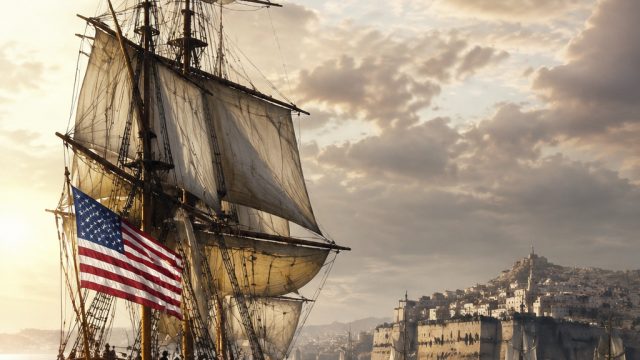
The early 19th century was a tumultuous time for the fledgling United States, as it grappled with the realities of international politics and maritime threats. The Barbary Wars, fought against the North African Barbary States, are pivotal events that shaped America's naval policies and its emerging identity on the world stage. With the ongoing relevance of these conflicts, it’s crucial to understand their significance today.
During the late 18th and early 19th centuries, American merchant ships became frequent targets of piracy from the Barbary States—specifically Tripoli, Algiers, Tunis, and Morocco. These North African states demanded tribute in exchange for safe passage, a practice that posed a significant threat to U.S. trade and national security.
In the aftermath of the American Revolution, the United States found itself ill-equipped to deal with such threats. The Continental Navy had been disbanded, leaving American commercial interests exposed and sparking a national debate about whether to pay the Barbary States or to engage in military confrontation.
By the early 1800s, President Thomas Jefferson spearheaded a shift in policy. He believed that paying tribute was tantamount to surrender and that the U.S. must assert its rights on the high seas. This marked the beginning of the First Barbary War (1801-1805), where the U.S. Navy was dispatched to confront the Barbary pirates.
The conflict established the U.S. Navy's reputation and highlighted the need for a stronger, more proactive maritime strategy. However, the resolution was temporary, as the underlying issues of piracy and tribute persisted.
In 1815, the Second Barbary War erupted after the Barbary States resumed their piracy. The new U.S. Navy, bolstered by recent naval advancements, launched a decisive campaign against the pirates. This time, the American forces were better prepared and more determined.
The Second Barbary War highlighted America’s shift towards a more assertive foreign policy and a commitment to protecting its national interests. It marked a turning point in how the young nation viewed its role in global affairs, setting a precedent for future military interventions.
The Barbary Wars are not merely historical footnotes; they offer crucial insights into America's evolving identity and its ongoing struggles with maritime sovereignty. Understanding these conflicts allows us to comprehend the foundations of U.S. foreign policy and the challenges that persist in today’s geopolitical climate.
As the U.S. navigates complex international waters in a world filled with piracy, terrorism, and trade disputes, the lessons learned from the Barbary Wars remain relevant. They remind us of the necessity of a strong navy and the complexities involved in balancing diplomacy and military power.
The Barbary Wars were crucial in shaping the early United States, showcasing the nation’s resolve to defend its interests against piracy and aggression. By understanding these historical events, we gain valuable insights into the foundations of American naval policy and their implications for contemporary geopolitics. The echoes of these wars remind us of the continuous effort needed to maintain maritime sovereignty and security.
Contact
Stay updated with our latest product releases and news articles. XX Industrial Equipment Co., Ltd. is an emerging enterprise specializing in environmental protection... How can we help you?
Click below — we are happy to help. Contact