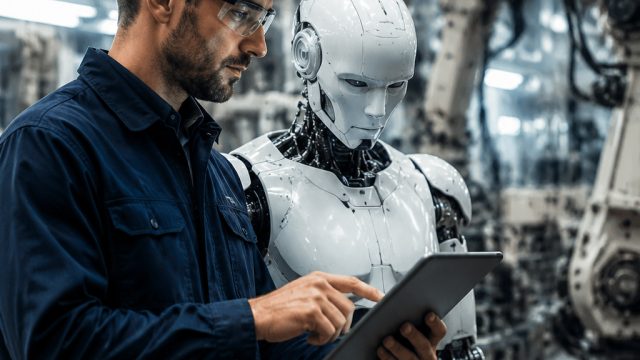
In recent years, the conversation around artificial intelligence (AI) has shifted significantly. Rather than merely viewing AI as tools designed to enhance human productivity, we are now beginning to perceive them as collaborative partners that can transform the way we work. This emerging perspective prompts deeper questions about the future of labor and the relationship between humans and machine intelligence.
Today, AI technologies are seamlessly integrated into various industries, revolutionizing traditional workflows. From customer service chatbots to sophisticated data analysis platforms, AI is becoming an integral part of everyday operations. However, the next phase of AI adoption appears to be leaning towards a more interactive model.
As organizations explore more complex applications of AI, the concept of human-in-the-loop (HITL) is gaining traction. This approach emphasizes the importance of human oversight in AI-driven processes. Instead of fully automating tasks, companies are beginning to recognize the value of having humans supervise multiple AI agents, ensuring that decisions made by these systems align with company values and ethical standards.
The transition from AI as a tool to a partner in the workplace presents both challenges and opportunities. While the potential for greater efficiency and innovation is significant, there are concerns about over-reliance on AI systems.
As some organizations experiment with coordinating numerous AI agents simultaneously, the complexity of these interactions can lead to confusion and inefficiency. It becomes essential for human operators to develop new skills that allow them to effectively manage this relationship. The workforce of the future will require a blend of technical knowledge and interpersonal skills.
The urgency of embracing this shift cannot be overstated. As businesses face increasing competition and the need for innovation, understanding how to effectively collaborate with AI will be crucial. Moreover, the ongoing advancements in AI technology mean that what we consider cutting-edge today may quickly become obsolete.
Organizations must be proactive in adapting their workflows to incorporate AI collaboration. This involves investing in training programs that equip employees with the necessary skills to operate alongside AI systems. In addition, businesses should foster a culture of experimentation, allowing teams to explore new AI applications without fear of failure.
Several industries are already seeing significant benefits from incorporating AI as a collaborative partner:
The journey from viewing AI as tools to recognizing them as collaborative partners represents a significant evolution in the workplace. As we navigate through these changes, understanding the dynamics of human-AI interaction will be crucial for businesses aiming to remain competitive in the digital age. Embracing this new approach not only enhances productivity but also ensures that ethical considerations are at the forefront of technology adoption. Now is the time for organizations to prepare for this inevitable shift, fostering a collaborative environment where humans and AI work hand in hand for a better future.
Contact
Stay updated with our latest product releases and news articles. XX Industrial Equipment Co., Ltd. is an emerging enterprise specializing in environmental protection... How can we help you?
Click below — we are happy to help. Contact