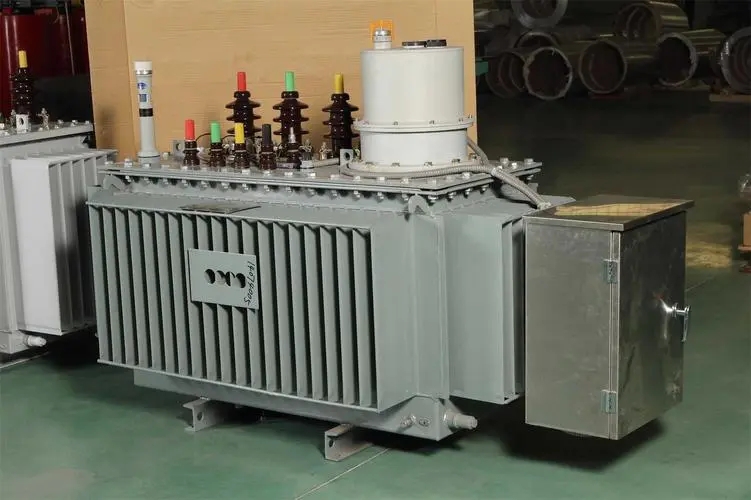
In recent years, the trade relationship between China and Africa has witnessed unprecedented growth, with total trade reaching a staggering $254 billion in 2022. This record figure underscores the increasing interdependence between these regions, particularly in sectors like industrial machinery. As China continues to invest in Africa, the implications for economic growth and development cannot be overstated. Countries like Indonesia can take cues from this dynamic to bolster their own industrial exports.
The significance of this growing trade relationship extends beyond mere numbers. The current global economic climate highlights the necessity for countries to diversify their trade partnerships. Africa's burgeoning markets provide a fertile ground for businesses seeking new opportunities. For manufacturers in Southeast Asia, including those in Indonesia, the rise of the African market presents a chance to expand their reach and introduce their products, particularly in industrial sectors.
China's investment in Africa is heavily focused on infrastructure, which includes the supply of industrial machinery. This influx of technology has profound effects on local industries, enabling them to enhance production capacities and efficiency. As African countries continue to modernize, the need for quality machinery becomes critical, paving the way for Southeast Asian manufacturers to step in. For instance, companies could explore how to integrate advanced technologies into traditional industries in regions like Jakarta, Bali, or Surabaya.
The ASEAN region stands at a pivotal point, where increasing trade with African nations could yield substantial economic benefits. By leveraging existing trade agreements and partnerships, ASEAN countries can play a significant role in facilitating this exchange. Companies in Indonesia that specialize in industrial machinery and technology must recognize the growing demand in Africa, particularly in urban centers.
While the growth in trade presents numerous opportunities, it is not without challenges. Navigating the complexities of different markets, regulatory hurdles, and local competition are essential considerations for businesses looking to enter the African market. Moreover, understanding the cultural and economic landscape of African nations is vital for successful engagement.
To effectively tap into the African market, businesses from Southeast Asia should adopt targeted strategies. These may include:
The rising trade between China and Africa is a defining factor in the economic landscape of the continent and presents a unique opportunity for Southeast Asian countries, particularly Indonesia. As African nations continue to develop, the demand for industrial machinery and technology will grow, creating a viable market for ASEAN exporters. By adapting to this emerging landscape, businesses can position themselves for long-term success in a rapidly changing global economy.
Contact
Stay updated with our latest product releases and news articles. XX Industrial Equipment Co., Ltd. is an emerging enterprise specializing in environmental protection... How can we help you?
Click below — we are happy to help. Contact