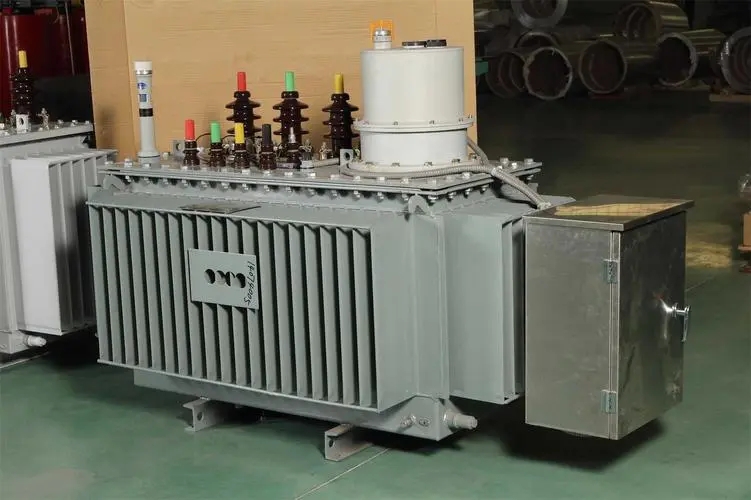
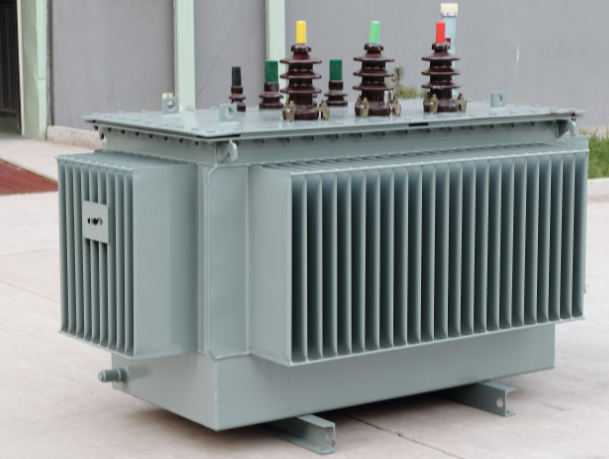
In recent years, China has established itself as a powerhouse in the global machinery export market. With an impressive export volume of approximately $200 billion in 2022, China's industrial machinery has become integral to the development of many emerging economies, particularly in Southeast Asia. As countries like Indonesia ramp up their infrastructure development, the reliance on sophisticated machinery from China continues to grow. This trend is not merely about imports; it reflects a strategic move towards enhancing production capabilities across the region.
The demand for Chinese machinery in Southeast Asia can be attributed to several factors. Countries such as Indonesia, Malaysia, and Vietnam are undergoing rapid urbanization and industrialization, leading to increased investments in infrastructure. In Indonesia alone, the government allocated over $400 billion for infrastructure projects from 2020 to 2024. This ambitious plan necessitates advanced machinery, prominently sourced from China.
Alongside infrastructural demands, technological innovation plays a pivotal role in shaping equipment choices. As industries transition towards automation and smart technologies, the need for state-of-the-art machinery has surged. Chinese manufacturers are at the forefront, continuously innovating to meet the evolving needs of the market. For instance, recent advancements in AI and machine learning integrated into industrial machinery allow for enhanced efficiency and productivity, making these products even more appealing to Southeast Asian countries.
While the growth prospects are promising, the relationship between China and its Southeast Asian partners is not without challenges. Trade tensions and geopolitical dynamics can impact the supply chain and pricing strategies. Nonetheless, the long-term outlook remains optimistic, with opportunities for collaboration and growth through technology sharing and joint ventures.
ASEAN countries are increasingly recognizing the importance of diversifying their machinery imports. By fostering local production and collaborating with Chinese firms, they aim to reduce dependency while boosting their industrial capabilities. This strategic partnership can lead to mutual benefits, allowing ASEAN nations to enhance their manufacturing capacities while simultaneously supporting Chinese exporters.
The interplay between China's machinery exports and the industrial growth of Southeast Asia signifies a strategic alliance that is poised to shape the future of global manufacturing. As countries in the region continue to invest in infrastructure and technology, the demand for Chinese machinery will likely rise, reinforcing China's position as a leading exporter. Companies looking to capitalize on this trend should focus on understanding local market needs and adapting to the ever-changing landscape of industrial machinery.
Contact
Stay updated with our latest product releases and news articles. XX Industrial Equipment Co., Ltd. is an emerging enterprise specializing in environmental protection... How can we help you?
Click below — we are happy to help. Contact