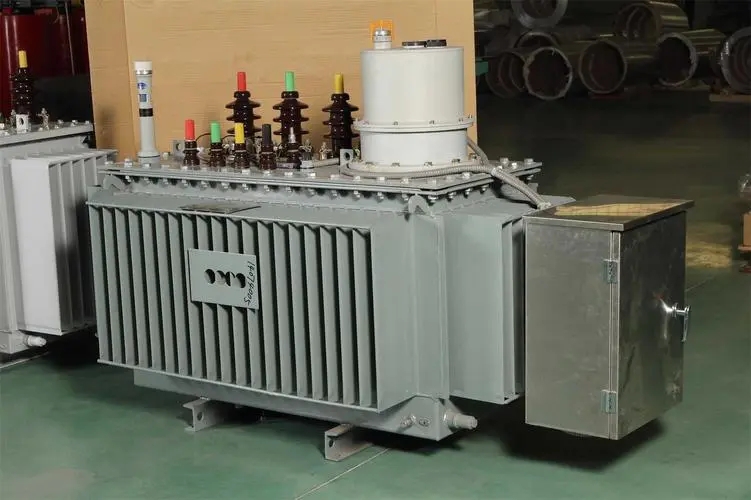
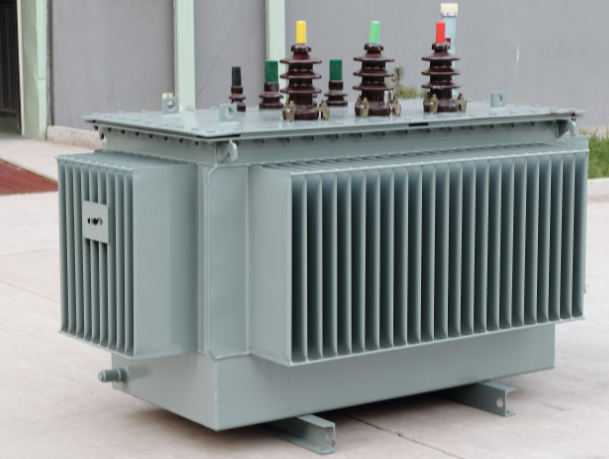
As global economies grapple with inflation and trade tensions, Southeast Asia's industrial sector faces significant challenges. The ongoing rise in import costs, primarily driven by increased tariffs, is reshaping the landscape of various industries, including industrial machinery. Countries such as Indonesia, particularly in regions like Jakarta and Surabaya, are feeling the pinch as import expenses escalate, directly impacting domestic pricing structures.
According to recent reports, the import costs for machinery and equipment have increased by over 15% in just the last six months. This sudden spike is attributed to the U.S. imposing tariffs on several goods, which has a ripple effect across the globe. In Southeast Asia, businesses reliant on imported machinery face the daunting task of either absorbing these costs or passing them onto consumers.
In response to these economic pressures, local manufacturers in Indonesia and other ASEAN countries are exploring alternative sourcing options. This shift aims to mitigate rising costs and ensure competitiveness in the marketplace. Notably, manufacturers are increasingly turning to regional suppliers within the ASEAN community. By leveraging local resources, firms hope to reduce dependency on imports, thereby lowering their operational risks amid fluctuating tariffs.
The effects of rising import costs extend beyond manufacturers; they resonate throughout the consumer market as well. As companies adjust their prices, consumers are likely to experience higher costs for industrial machinery, which can lead to reduced purchasing power. The expectation of increased prices is forcing many consumers to reconsider their spending habits.
In Indonesia, for example, a significant portion of the population relies on machinery for various sectors such as agriculture and construction. As prices rise, these essential industries may face setbacks, impacting overall economic growth. Industry experts predict that without effective government intervention or a re-evaluation of tariffs, the machinery sector could experience a downturn in sales.
To combat the pressures of rising costs, many companies are investing in technology and innovation. This includes the adoption of smart machinery that enhances efficiency and reduces operational costs. By modernizing their offerings, businesses can attract new customers who seek advanced solutions for their industrial needs.
As Southeast Asia navigates the complexities of rising import costs, the focus should remain on adaptation and resilience. Industries must remain agile, leveraging local resources while embracing technological advancements to thrive in this new economic landscape. The outlook may appear daunting, but with strategic planning and innovation, the industrial machinery sector can weather the storm and emerge stronger.
Contact
Stay updated with our latest product releases and news articles. XX Industrial Equipment Co., Ltd. is an emerging enterprise specializing in environmental protection... How can we help you?
Click below — we are happy to help. Contact