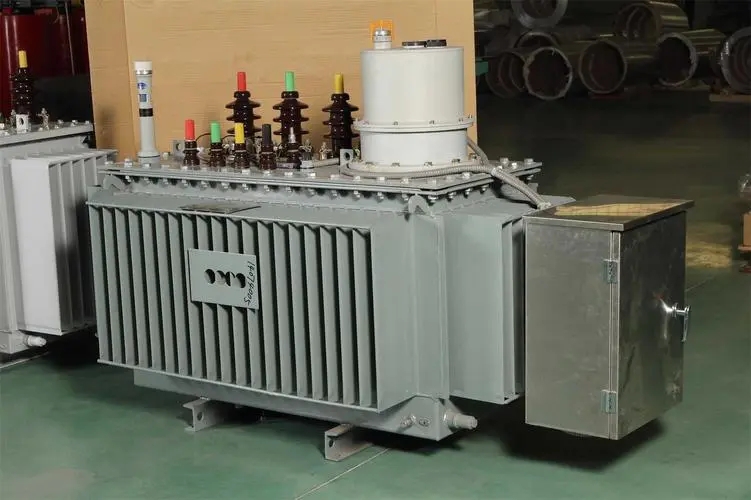
In the interconnected world of today, industrial machinery suppliers face both opportunities and challenges in the realm of international trade. For those looking to expand their global presence, understanding the nuances of the export process is essential. This article highlights key strategies that machinery suppliers can implement to navigate international trade effectively.
The first step in any export strategy is identifying target markets. Conducting thorough market research helps suppliers understand regional demands, industry trends, and competitive landscapes. By leveraging data analytics, suppliers can pinpoint countries that are experiencing industrial growth and have a high demand for machinery. This targeted approach can significantly enhance the likelihood of successful market entry.
Establishing relationships with local partners is crucial for success in international trade. Local distributors and agents possess valuable insights into the market, allowing suppliers to tailor their offerings to meet local preferences and regulations. These partnerships can also expedite the logistics process, ensuring that machinery is delivered swiftly and efficiently.
Understanding compliance requirements is vital for machinery suppliers entering international markets. Different countries have varying regulations regarding product standards, safety requirements, and import tariffs. Suppliers must ensure that their products meet these standards to avoid delays and penalties. Staying informed about changes in regulations can give suppliers a competitive edge.
In today's digital age, having a robust online presence is essential for reaching global audiences. Industrial machinery suppliers can leverage digital marketing strategies such as search engine optimization (SEO), content marketing, and social media engagement to build brand awareness. By creating informative and engaging content, suppliers can attract potential buyers from around the world, enhancing their chances of successful exports.
The integration of technology into supply chain management can greatly enhance efficiency and reduce operational costs. From inventory management systems to automated shipping solutions, technology can streamline processes and improve overall performance. Suppliers should invest in innovative technologies that provide real-time tracking and data analysis, enabling them to make informed decisions quickly.
As industrial machinery suppliers look to expand their footprint in international markets, implementing effective strategies is key. By identifying target markets, building strong local partnerships, ensuring regulatory compliance, leveraging digital marketing, and embracing technology, suppliers can navigate the complexities of international trade successfully. The global landscape offers immense potential for growth, and those who are prepared to adapt and innovate will thrive in this competitive environment.
Contact
Stay updated with our latest product releases and news articles. XX Industrial Equipment Co., Ltd. is an emerging enterprise specializing in environmental protection... How can we help you?
Click below — we are happy to help. Contact