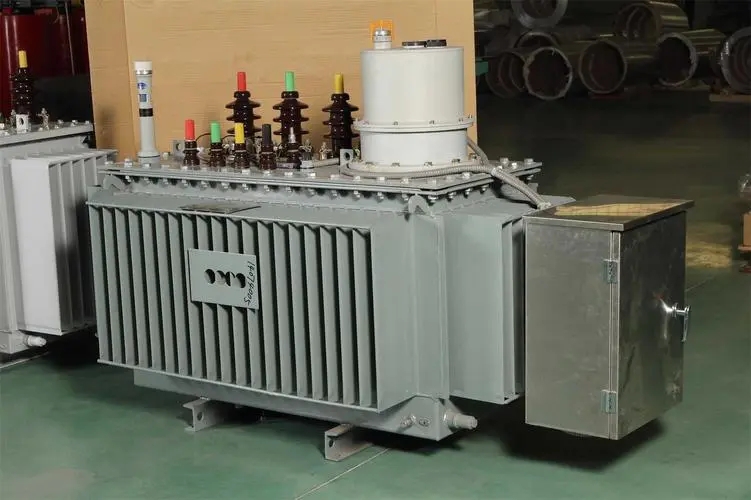
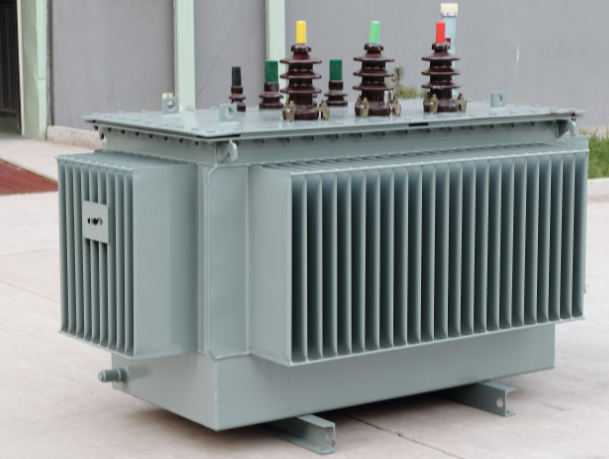
As the global demand for industrial machinery evolves, sustainability has taken center stage. Companies are now required to innovate not just for performance but also for environmental responsibility. This trend has gained momentum due to regulatory pressures and a growing consumer preference for eco-friendly practices. For instance, industrial machinery exporters are increasingly integrating energy-efficient technologies and sustainable materials into their production processes.
In Southeast Asia, particularly in the Indonesian market, this shift is evident. Local businesses are focusing on sustainable practices, aligning with global efforts to combat climate change. This not only benefits the environment but also positions these companies favorably in the global marketplace.
The adoption of cutting-edge technologies is crucial for enhancing sustainability in industrial machinery. For example, automation and IoT (Internet of Things) are enabling machines to operate more efficiently, reducing waste and energy consumption significantly. Furthermore, smart manufacturing processes are being refined to prioritize both productivity and reduced carbon footprints.
A significant aspect of this innovation wave is the focus on energy efficiency. Machinery that utilizes advanced energy management systems can dramatically lower operational costs. Statistics show that energy-efficient systems can reduce energy consumption by up to 30%, a considerable saving for manufacturers.
Collaboration within the industry is key to driving sustainable innovations. Partnerships between machinery manufacturers, technology providers, and research institutions have led to groundbreaking advancements. For example, the implementation of eco-design principles in machinery development requires seamless collaboration across various sectors.
Investing in sustainable machinery isn't just an ethical choice; it's a smart economic decision. Companies that embrace sustainability can experience accelerated growth. According to recent studies, firms that prioritize sustainable practices see a 20% increase in customer trust and loyalty. This is especially pertinent in markets like Indonesia, where consumers are becoming more conscious of their environmental impact.
Government policies in ASEAN countries are also shifting to support sustainable industrial practices. Initiatives that encourage sustainable exports help local businesses thrive while meeting international standards. In Indonesia, regulations are being introduced to support the development of green technologies, creating a more favorable market for sustainable machinery innovations.
Looking ahead, the future of industrial machinery exports appears robust. As global markets continue to embrace sustainability, companies that lead in innovative practices will set themselves apart. The focus will increasingly shift towards circular economy models, where machinery is designed for longevity and recyclability, further reducing environmental impact.
In summary, the industrial machinery export sector is undergoing a transformative phase driven by sustainability and innovation. As Southeast Asia, particularly Indonesia, develops as a key market for these innovations, companies must adapt to remain competitive. By embracing sustainable practices and leveraging innovative technologies, businesses can not only contribute positively to the environment but also secure their place in a rapidly changing global market.
Contact
Stay updated with our latest product releases and news articles. XX Industrial Equipment Co., Ltd. is an emerging enterprise specializing in environmental protection... How can we help you?
Click below — we are happy to help. Contact