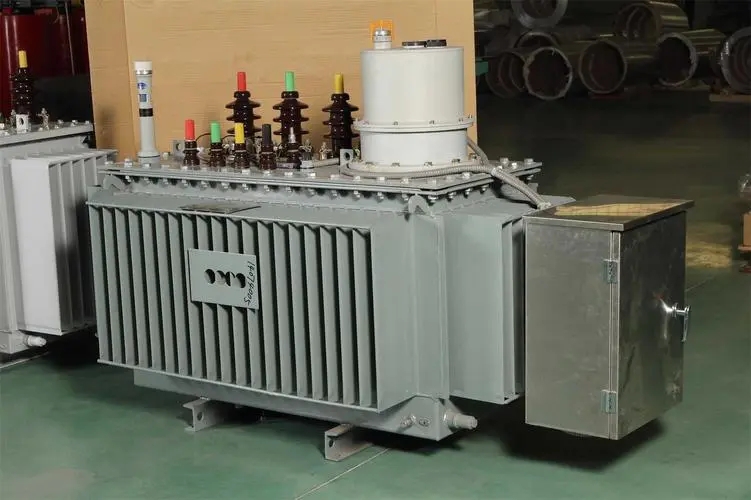
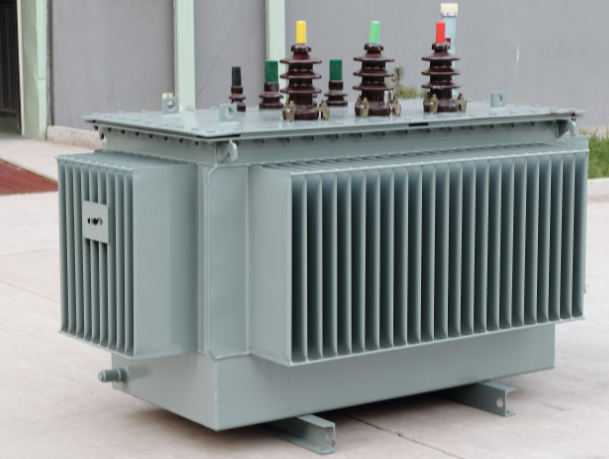
In an era of global connectivity, the industrial machinery market has expanded beyond borders, presenting both opportunities and challenges for manufacturers and suppliers. As industrial machinery exporters, understanding the dynamics of international trade is vital for success. This article outlines essential strategies for navigating the complex landscape of global machinery export.
B2B relationships are fundamental in the industrial machinery sector. Establishing strong partnerships with distributors, wholesalers, and retailers enables manufacturers to penetrate new markets effectively. Leveraging platforms that facilitate B2B connections is crucial in reaching a broader audience. Participating in industry trade fairs and networking events can also bolster your company's visibility and credibility on a global scale.
Exporters must conduct thorough market research to identify lucrative target markets. Factors such as economic stability, industry growth potential, and demand for specific machinery types should influence your export strategy. By focusing on regions with a high demand for your products, you can align your offerings with market needs, ultimately enhancing your chances of success.
Each country has its own regulations concerning industrial machinery, including safety standards, certifications, and import tariffs. Understanding these regulations is crucial to avoid legal pitfalls and ensure smooth entry into international markets. Partnering with local experts who are knowledgeable about the regulatory landscape can expedite the compliance process and facilitate smoother transactions.
Advancements in technology have transformed the export landscape, making it easier for manufacturers to streamline their processes. Using software solutions for inventory management, order processing, and shipment tracking can significantly enhance efficiency. Additionally, online marketplaces dedicated to industrial machinery can help exporters reach a wider audience while reducing overhead costs associated with traditional sales channels.
In today's digital era, having a robust online presence is non-negotiable for industrial machinery exporters. Optimize your website with relevant keywords related to your products and services to enhance your visibility on search engines. High-quality content, such as blogs and case studies, can establish your expertise in the field and attract potential clients. Create engaging product pages with detailed specifications and high-resolution images to capture the interest of global buyers.
Once you've established a foothold in international markets, nurturing customer relationships becomes paramount. Providing exceptional customer service, timely responses, and after-sales support can differentiate your business from competitors. Utilizing CRM (Customer Relationship Management) tools can help manage these relationships effectively, ensuring you stay in touch with your clients and address their needs proactively.
Exporting industrial machinery is a multifaceted endeavor that requires strategic planning and execution. By understanding the global trade landscape, building strong B2B relationships, and leveraging technology, manufacturers can position themselves for success in international markets. With the right approach, your company can thrive as a leading exporter of industrial machinery, tapping into the vast opportunities that the global market has to offer.
Contact us
Stay updated with our latest product releases and news articles. XX Industrial Equipment Co., Ltd. is an emerging enterprise specializing in environmental protection... How can we help you?
Click below — we are happy to help. Contact us