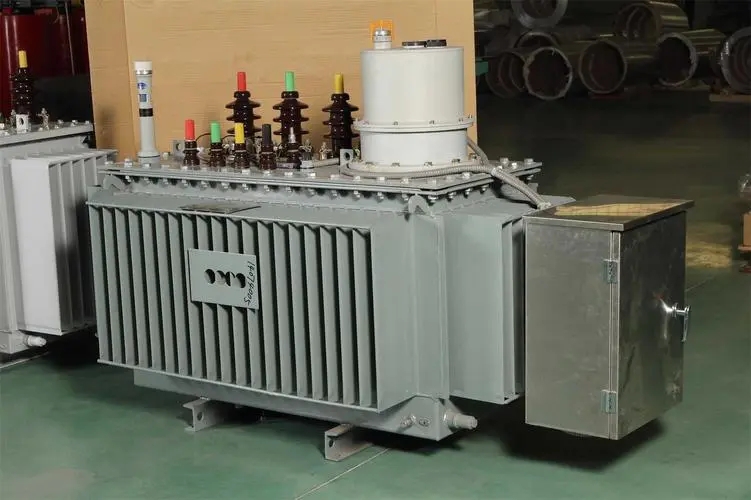
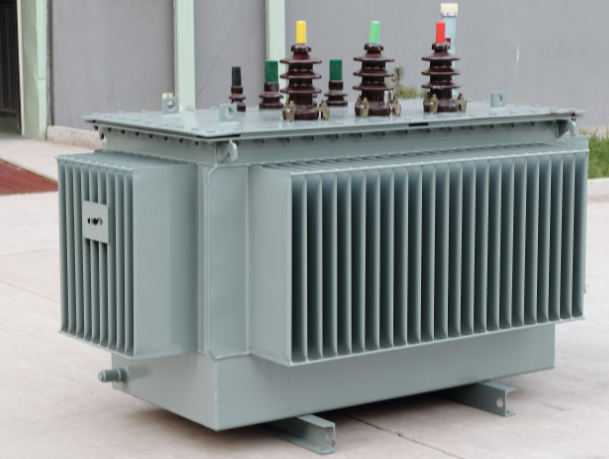
The landscape of global trade is continuously evolving, particularly with the surge in industrial machinery exports. As businesses increasingly seek efficiency and modernization, the demand for high-quality machinery has skyrocketed, significantly impacting B2B markets worldwide.
In recent years, industrial machinery exports have seen an unprecedented rise. Manufacturers across the globe are ramping up production to meet international demand. This trend is not merely a reflection of economic recovery but an indication of shifting trade dynamics, where businesses are seeking reliable partners to optimize their operations.
Leading suppliers in industrial machinery play a pivotal role in streamlining global commerce. Countries like Germany, Japan, and the United States are recognized for their advanced manufacturing capabilities, offering a vast array of products from heavy machinery to precision tools. These suppliers are not only focused on production but also on enhancing their export strategies to cater to diverse markets.
The B2B trade in industrial machinery involves intricate processes that require meticulous planning and execution. Suppliers need to ensure compliance with international regulations and standards while also considering the logistics of shipping machinery across borders. This complexity emphasizes the importance of establishing strong relationships between manufacturers and buyers.
Quality assurance is paramount in the industrial machinery industry. Manufacturers must adhere to strict quality standards to maintain their competitiveness in the global market. Certifications, such as ISO, play a crucial role in assuring buyers of the quality and safety of products, thereby enhancing trust and fostering long-term business relationships.
Technology is a driving force behind the growth of machinery exports. Innovations in manufacturing processes, such as automation and AI integration, are not only improving efficiency but also creating products that meet the evolving needs of businesses globally. This technological advancement results in machinery that is not only more efficient but also more adaptable to various industrial applications.
Trade agreements among countries significantly influence industrial machinery exports. By eliminating tariffs and reducing trade barriers, these agreements allow suppliers to penetrate new markets, fostering a more interconnected global economy. Understanding how these agreements affect your sourcing strategy can provide a competitive advantage in the B2B marketplace.
As we look to the future, the industrial machinery export sector appears poised for sustained growth. Companies seeking to establish or expand their global presence in the B2B market must focus on forging partnerships with reliable suppliers, embracing technology, and navigating the complexities of international trade. The right strategies can lead to significant growth opportunities in this dynamic field.
Contact
Stay updated with our latest product releases and news articles. XX Industrial Equipment Co., Ltd. is an emerging enterprise specializing in environmental protection... How can we help you?
Click below — we are happy to help. Contact