As Europe faces an array of economic challenges, the transformation of its industrial core is sparking crucial conversations among policymakers, business leaders, and economists. The concept of rentier capitalism, characterized by a reliance on financial returns rather than productive investments, is reshaping the continent's industrial landscape. Understanding these dynamics is essential for businesses and investors navigating this evolving environment.
Rentier capitalism refers to an economic system where income is primarily generated from ownership of assets, such as real estate, rather than from active production or innovation. In recent years, Europe has seen an increase in this type of capitalism, leading to significant implications for its industrial sector.
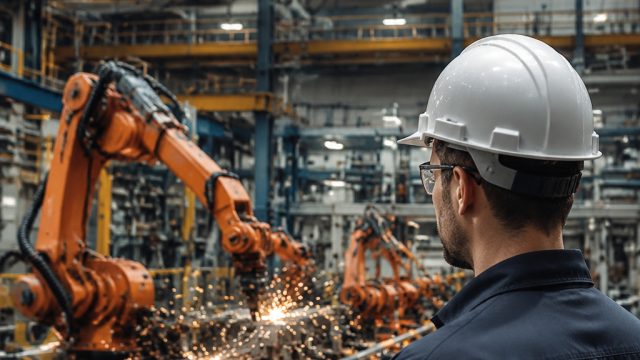
The shift towards rentier capitalism is resulting in a gradual decline of traditional manufacturing industries in Europe. Many businesses are prioritizing short-term financial gains over long-term investments in innovation and infrastructure. This trend has led to:
The hollowing out of Europe's industrial base has profound effects on the workforce. As manufacturing jobs decline, many workers are left seeking new opportunities, often without the necessary skills for emerging sectors. This shift poses several challenges:
Europe's economy is currently grappling with high inflation rates, supply chain disruptions, and geopolitical tensions. These factors have contributed to a critical moment for the continent's industrial sector, raising questions about its sustainability and future direction.
The COVID-19 pandemic exposed vulnerabilities in global supply chains, prompting many European industries to reassess their dependencies. Companies are increasingly looking to localize production to mitigate risks associated with relying on distant suppliers. This shift towards regional manufacturing may lead to:
Ongoing geopolitical issues, including trade disputes and conflicts, further complicate Europe's industrial landscape. Industries that depend heavily on international markets face significant uncertainty. As businesses adapt, it's essential to consider:
Despite the current challenges, opportunities exist for Europe's industrial sector to innovate and thrive. To navigate the complexities of rentier capitalism and the shifting economic landscape, businesses should focus on the following strategies:
Investing in research and development is critical for businesses aiming to enhance productivity and competitiveness. This focus on innovation can lead to:
As industries evolve, so must the workforce. Companies should prioritize training programs that prepare employees for new roles in emerging technologies, leading to:
The transformation of Europe's industrial landscape, driven by the influences of rentier capitalism and current economic challenges, necessitates a proactive approach from all stakeholders. By embracing innovation, investing in local production, and prioritizing workforce development, Europe can navigate these turbulent times and emerge stronger than before. For businesses and investors, understanding these trends is not just important; it is essential for future success in a rapidly changing industrial environment.
Contact
Stay updated with our latest product releases and news articles. XX Industrial Equipment Co., Ltd. is an emerging enterprise specializing in environmental protection... How can we help you?
Click below — we are happy to help. Contact