The landscape of industrial work is undergoing a seismic shift as factories increasingly integrate automation technologies. While this transformation promises efficiency and cost savings, it raises pressing questions about the future of human labour in manufacturing. The current moment is critical as workers navigate the challenges posed by automation, prompting discussions about job security and the evolving role of technology in the workplace.
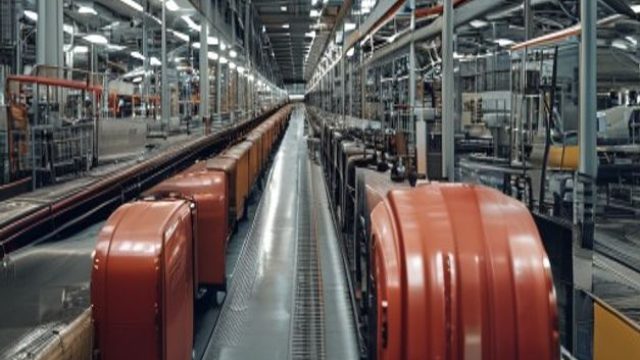
In recent years, automation has rapidly infiltrated manufacturing environments, with technologies like robotics, AI, and machine learning redefining traditional roles. Factories are employing advanced systems to streamline operations, enhance productivity, and reduce human error. This shift, while beneficial from a business perspective, has left many workers questioning their future in an industry increasingly dominated by machines.
At the heart of this transformation lies a variety of technologies that are reshaping factory operations:
As machines take over tasks traditionally performed by humans, the implications for workers are profound. For many, the introduction of automation has sparked a mix of curiosity and anxiety.
With the rise of machines comes the reality of job displacement. Workers in various sectors, including textile and automotive manufacturing, face uncertainty about their roles:
As industrial workers grapple with the realities of an automated future, adaptation is crucial. Many are beginning to embrace upskilling and reskilling efforts to remain relevant in the evolving job market.
To thrive in a world increasingly influenced by technology, workers need to focus on continuous learning and skill development:
The urgency of addressing the impact of automation on workers cannot be overstated. As production methods evolve, so too must the policies and practices that protect employees. It is essential for government bodies, industry leaders, and workers to forge collaborative strategies that prioritize job security while fostering innovation.
As the industrial landscape shifts, policymakers must consider:
The transition towards an automated future presents both challenges and opportunities for factory workers. While the advent of robotics might create uncertainties, it also paves the way for innovation and new job roles. By focusing on skill development and fostering a cooperative approach between workers, employers, and policymakers, we can navigate this transition successfully and ensure that technology serves as an ally rather than an adversary.
Contact
Stay updated with our latest product releases and news articles. XX Industrial Equipment Co., Ltd. is an emerging enterprise specializing in environmental protection... How can we help you?
Click below — we are happy to help. Contact