


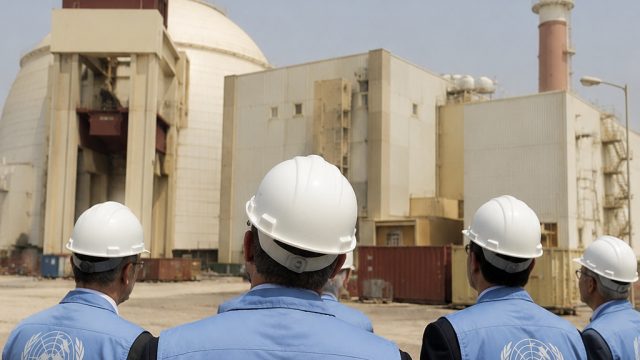
In a significant development that could reshape international relations, the head of the International Atomic Energy Agency (IAEA) has announced that United Nations inspectors will visit Iran's nuclear facilities. This decision comes against a backdrop of heightened tensions surrounding Iran's nuclear program and its implications for global security.
After years of complex negotiations and fluctuating commitments, the IAEA is preparing to send a team of inspectors to Iran. This visit is not just a routine activity; it signifies the potential for renewed dialogue between Iran and the West, particularly the United States. The IAEA's involvement is crucial in maintaining transparency and trust regarding Iran's nuclear activities.
Iran's nuclear program has been a contentious issue for decades, raising concerns over its potential to develop nuclear weapons. The nation has consistently asserted that its nuclear ambitions are solely for peaceful purposes, such as energy production. However, suspicions linger, especially following the U.S. withdrawal from the Joint Comprehensive Plan of Action (JCPOA) in 2018.
IAEA inspections play a vital role in global nuclear oversight. These inspections are designed to provide assurance that nuclear materials are not diverted for military use. The upcoming visit is particularly timely, as tensions in the Middle East continue to escalate.
Despite the potential for inspections to foster dialogue, the relationship between Iran and the U.S. remains strained. Recent statements from both sides indicate a lack of consensus on what concessions have been made and what commitments are expected in return. For instance, while U.S. officials assert that Iran agreed to certain measures, Tehran continues to deny such claims.
As the IAEA prepares for its inspections, several challenges loom on the horizon:
The inspections will not only affect U.S.-Iran relations but could also influence global security frameworks. If Iran demonstrates compliance, it may lead to easing sanctions and reviving economic ties, which many argue are essential for regional stability. Conversely, noncompliance could lead to increased tensions and potential military confrontations.
As the UN inspectors finalize their plans to visit Iran’s nuclear sites, the world watches closely. The inspections provide a critical opportunity for diplomacy and dialogue at a time when geopolitical tensions are high. Ultimately, the outcome of these visits could set the stage for future negotiations, impacting not just Iran but the broader security landscape of the Middle East. With global attention focused on this pivotal moment, it is essential for all parties to approach the situation with a commitment to dialogue and transparency.
Contact
Stay updated with our latest product releases and news articles. XX Industrial Equipment Co., Ltd. is an emerging enterprise specializing in environmental protection... How can we help you?
Click below — we are happy to help. Contact
